Warlock's Black Tentacles Staircase Sold Me on the Whole Game
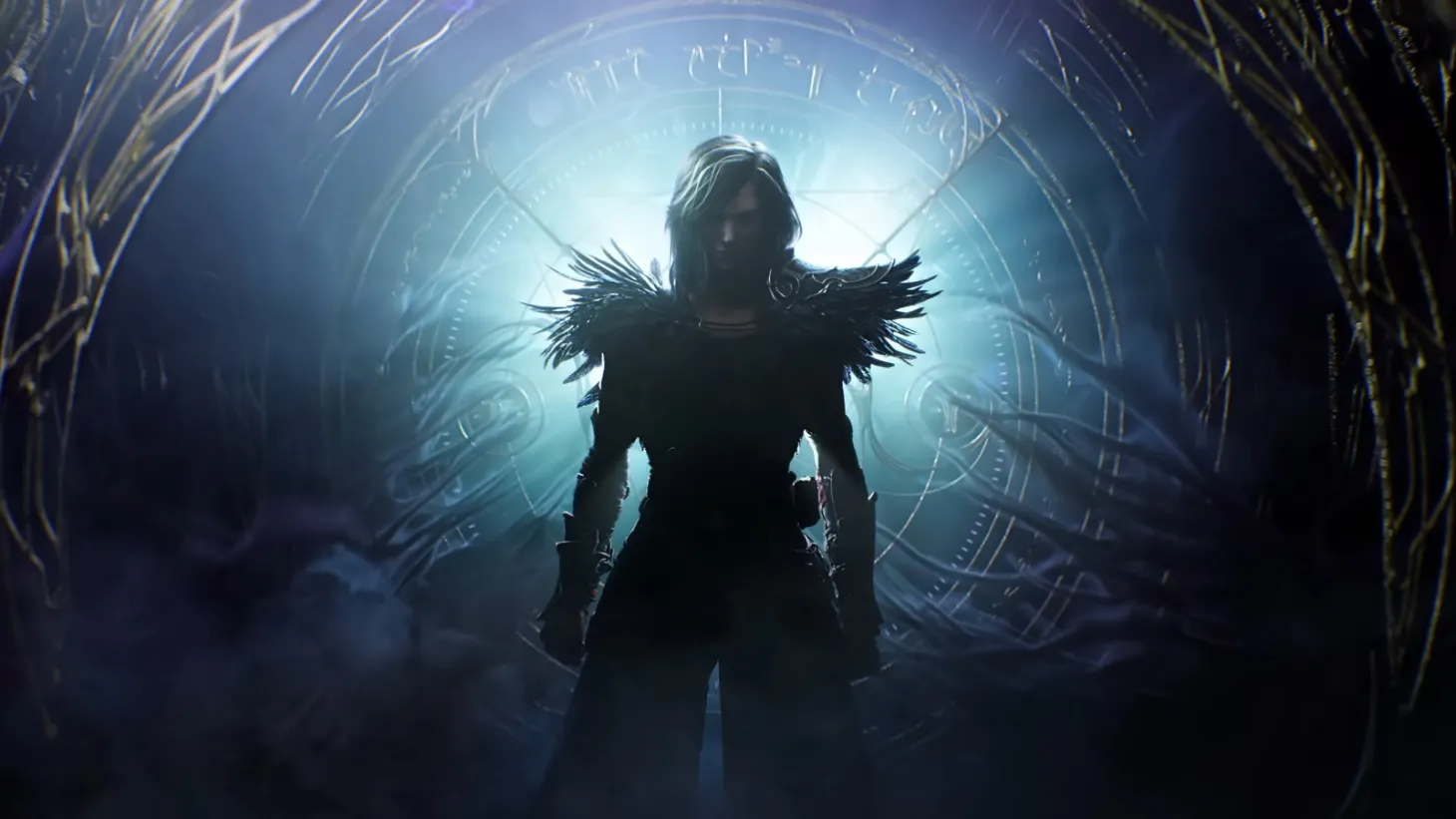
Kaatri stood under a ledge she couldn't reach. She cast Black Tentacles, the spell every tabletop group I've played with treats as a crowd-control button, and the tendrils grabbed the wall instead of a monster. She jumped on them. She climbed to the ledge. The demo moved on as though nothing remarkable had happened.
I rewound it three times.
Wizards of the Coast and Invoke Studios brought the first gameplay for Warlock: Dungeons & Dragons to Gamescom Opening Night Live tonight, eight months after that heavy-metal cinematic at The Game Awards 2025 and with nothing but casting news in between. The trailer ran close to eight minutes, which is a lot of runway for a game with a 2027 window. I've since sat through the press presentation writeups and the developer roundtable, and my read has shifted from cautious to invested over the course of one evening.
Kaatri, Tasha, and a pact made for the wrong reasons
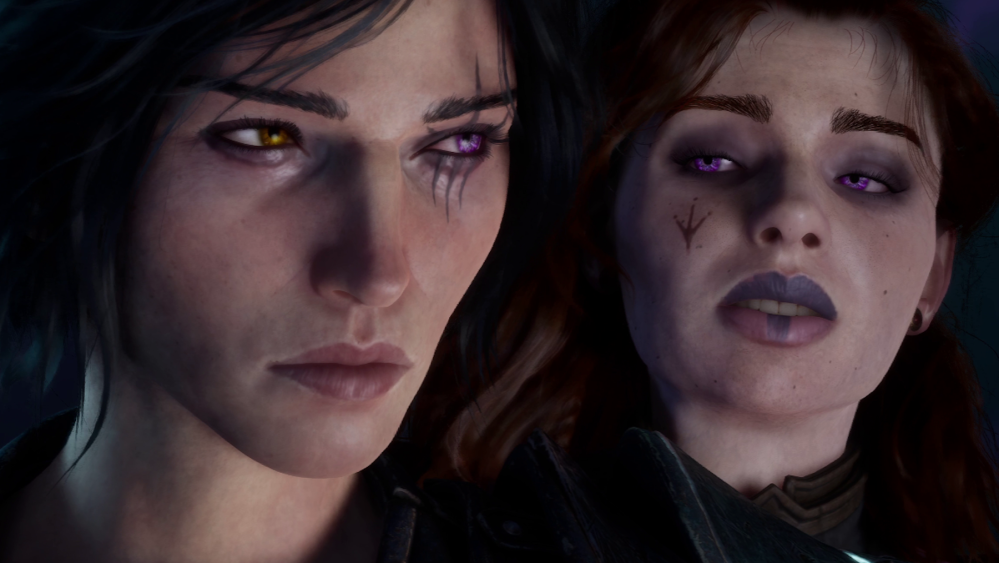
You play Kaatri, a seasoned weapons master voiced by Tricia Helfer, who spent a career doing this the hard way with swords and hammers. She's looking for someone she has lost, and that search takes her somewhere it shouldn't. She strikes a pact with Tasha, the witch queen, played by Maggie Robertson, and takes a shortcut to power that Invoke has been open about framing as a bad idea with consequences.
Robertson as Tasha is casting so on the nose that I laughed out loud when Wizards confirmed it at Gen Con last month. She played Lady Dimitrescu in Resident Evil Village and Orin the Red in Baldur's Gate 3, so she arrives with two of the most quotable villain performances of the past five years behind her. Tasha talks to Kaatri through telepathy in the reveal, teaching her to sense Raw Magic, which sits at the centre of the progression system.
I like the shape of this relationship more than I expected. A warlock's power arrives with strings attached, and most video game adaptations of the class skip that part and hand you the beam of force. The reveal opens with Tasha granting a new sense and then stepping back to watch Kaatri use it, which reads as a patron running an experiment on her own investment.
Darkon, and why the setting choice matters
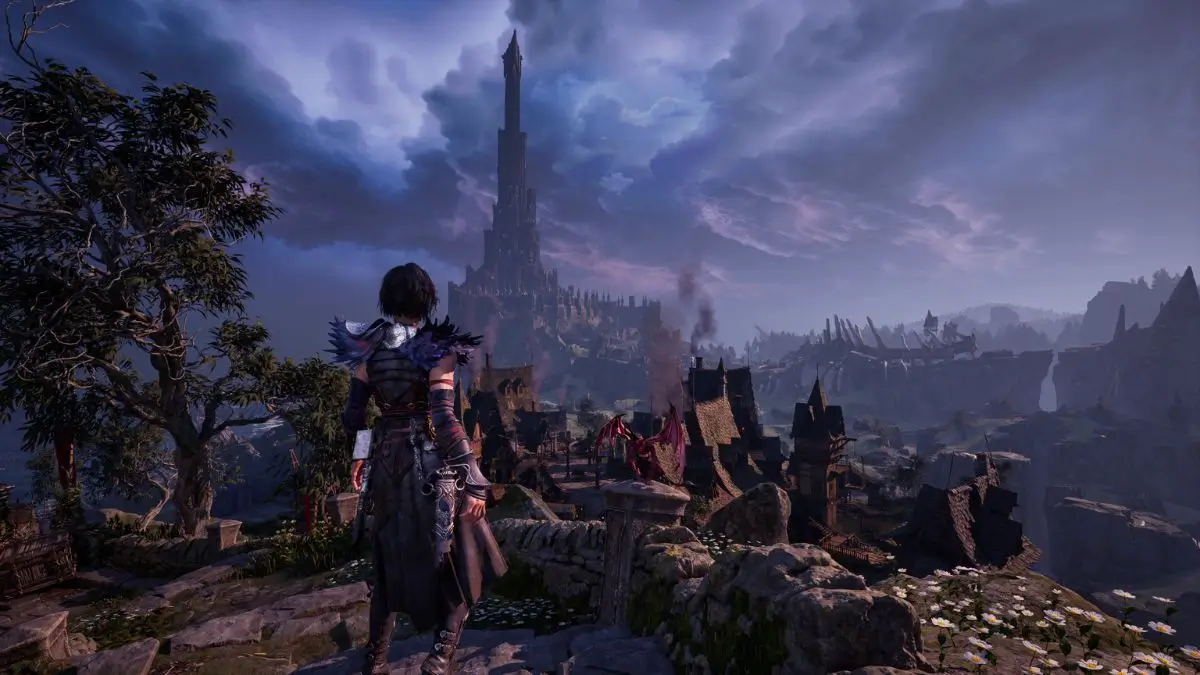
Invoke has taken the game out of the Forgotten Realms. Warlock takes place in Darkon, the largest of Ravenloft's Domains of Dread, a realm sealed behind impenetrable mist where the usual traffic runs outward. Kaatri goes in on purpose to find her missing person, which inverts the standard Ravenloft story before the plot starts.
Darkon's Dark Lord has left, or so the rumour runs, and a Domain of Dread without its Dark Lord sits on the edge of collapse. Invoke's Jeffrey Hattem framed the land as one on the brink, and that framing gives an open world a reason for its chaos. Long-time D&D readers will spend the next year asking about Azalin Rex, and I'd advise Invoke to keep that answer sealed until launch.
Skev, an imp native to Darkon, travels with Kaatri as a guide with gameplay utility rather than a commentary machine. Invoke made a point about that in the roundtable, and I appreciate the distinction. Companion characters in this genre tend toward the Ubisoft drone that pings enemies for you. An imp from a haunted domain who knows the local rules could carry the exposition load without a single map marker.
The setting decision also solves a problem that has followed every D&D game since Baldur's Gate 3. Larian owns the Forgotten Realms in the public imagination for at least another console generation. Building in Ravenloft gives Invoke a corner of the license with gothic horror instead of high fantasy, dread instead of banter, and no direct comparison to Astarion's fanbase.
Spells as tools, which is the actual pitch
The reveal put the magic system at the front, and the design principle behind it is the thing I've wanted from a licensed D&D action game since Dark Alliance disappointed everyone in 2021. Spells work as tools with multiple uses rather than buttons with fixed outcomes.
The demo showed Eldritch Blast, Gust of Wind, Levitate and Black Tentacles from the tabletop lists, plus new work built around Tasha. Tasha's Leash summons ethereal tendrils that grab objects or monsters, pull them toward Kaatri, and throw them somewhere else. Fae Switch, a spell Invoke pulled out of 4th edition and rebuilt for real time, swaps Kaatri's position with a monster. In the trailer she uses that swap to put an enemy in the path of an attack that was about to land on her, which is the sort of thing a good tabletop player does once and then talks about for a year.
Black Tentacles doing double duty as crowd control and as architecture is the whole thesis in one spell. The same demo used it to rip a weapon out of an ogre zombie's hands and to build the wall platform I opened this piece with. Hattem described the intent as a toolbox, and the two uses shown make that claim credible.
Then there's the ritual system, which is where I sat forward. Kaatri cast Downpour to soak the battlefield and the enemies standing on it, then used Witch Bolt, which propagates through conductive material. The lightning ricocheted across the soaked group. Invoke's Dominic Guay confirmed the player chose to do that; the game didn't script it.
A weather ritual that changes the electrical properties of the battlefield is D&D thinking translated into an action game, and I want a hundred more interactions like it. My follow-up question for Cologne: how many rituals exist, and do they combine with each other. Downpour plus a cold spell should freeze a surface. If Invoke has built that layer, Warlock has something Dragon's Dogma 2 gestured at and never followed through on.
The melee half, and the part I need to see more of
Kaatri fights as a Pact of the Blade warlock, summoning pact weapons in real time. The reveal shows a hammer alongside sword work, and Invoke describes combat as a rhythm where magic opens a gap and steel closes it.
Here's my hesitation, and it's the only serious one I have tonight. Third-person melee is the hardest thing in this genre to get right, and the studios that nail it spend years on hit reaction, recovery frames and camera behaviour. The trailer's melee looks fluid in a way that reads as good animation, and animation quality tells me nothing about how the game feels when three enemies attack from different angles. Finishing moves come in variety and you earn them through progression, which is a nice touch that also tells me Invoke has thought about the tenth hour rather than the first.
Invoke Studios carries a complicated résumé here. The Montreal team, known as Tuque Games until Wizards bought it, shipped Dungeons & Dragons: Dark Alliance in 2021, and that game landed hard enough that I still see it cited as the reason to distrust D&D action spin-offs. The studio has since built a team stacked with people from Far Cry, Watch Dogs, Guardians of the Galaxy and Deus Ex. Guay talked in the roundtable about wanting to change the open-world formula the team helped establish elsewhere, which is either an honest reckoning or the standard line every open-world studio delivers before shipping another tower.
Exploration over waypoints, and the risk Invoke has chosen
Guay described an exploration-driven open world with a minimalistic map and no waypoint chain. Enough spells sit in the world as optional discoveries that two players can finish with different kits and different solutions to the same fight. Guay called that choice exciting and a little scary, and admitted the producer side of his brain questions building content most players may never see.
I respect the decision and I'd bet against it surviving contact with a marketing department. Optional-by-design abilities produce the best conversations a game can generate, the ones where a friend describes a solution you didn't know existed. They also produce Steam reviews complaining that the game hid the good stuff. Invoke has multiple difficulty modes planned, which softens the edge for anyone who explores less and still wants to reach the ending.
The world itself aims for density rather than square kilometres. Guay talked about avoiding fifteen-minute journeys through empty terrain while keeping the variety that mountains and coastlines provide. Certain areas open once you find the right spell, which ties traversal progression to the magic system rather than to a grappling hook you unlock in chapter four.
Progression runs through Raw Magic sources in the world, gear with traits, talismans that synergise with specific spells, and standard levelling for stamina and damage. Guay drew one boundary that I'm glad he drew: Kaatri stays a weapons master turned warlock and won't become an assassin. Build variety within a defined character beats a build system that dissolves the protagonist into a stat sheet.
No dice, and why that's the right call
Guay stated it without hedging: Warlock doesn't simulate tabletop rules and rolls no dice. GameSpot's headline after the reveal poked at how little of the "D&D" this game wears on its sleeve, and I understand the reaction from anyone who came to the brand through Baldur's Gate 3.
My position: the spirit of the tabletop lives in creative spell use, and Invoke has aimed at that instead of at the maths. Nobody at my table remembers the natural 19 that hit an AC of 18. They remember the session where someone used Gust of Wind to blow a lantern onto a rope bridge. Warlock's demo has more of the second thing in it than most licensed adaptations manage across a full campaign.
Invoke also wants D&D knowledge to stay optional. Hattem said the team keeps people with little tabletop background on hand as test players to check whether the game explains itself. Kaatri arrives in Darkon as a stranger, and the player arrives with her, which is the oldest trick in fantasy fiction and works every time.
The Baldur's Gate 3 problem, and how Warlock sidesteps it
One more thought on the shadow this game walks under. Larian shipped a 100-hour reactive RPG with an ensemble cast and turned a niche brand into a household one, and every D&D project since has faced a fanbase asking why it isn't that. Invoke has answered by building a different genre for a different appetite: single-player, one protagonist, real-time, gothic horror, systemic rather than narrative-branching.
That answer only works if the systems carry the weight Larian's writing carried. Kaatri stays Kaatri in every playthrough, so the variety has to come from what she can do with a wall, a puddle and an ogre zombie. The reveal argues that case for eight minutes and argues it well. A full game has to argue it for forty hours.
Four things I'm chasing this week
Melee feel goes at the top. Everything else in this reveal excites me and none of it survives a combat system that lands soft.
Second, ritual depth: whether Downpour and Witch Bolt represent a designed pair or one instance of a broad interaction system. Third, enemy variety in a domain that has spent decades in supplements as a horror setting, since a Ravenloft game leaning on ogre zombies would waste the address. Fourth, how the minimal map holds up over thirty hours, because exploration-driven design tends to shine in a curated eight-minute demo and sag once the third mountain range appears.
Warlock arrives in 2027 for PC, PS5 and Xbox Series X|S, into a year that already holds Nodus Fall, Fable, Exodus and whatever else Gamescom drops before Sunday. Hasbro has been vocal about wanting Wizards to prove it can make good games before it chases live service, and this is the project carrying that argument.
Where I've landed
Wizards could have made another Forgotten Realms party RPG and let the Baldur's Gate 3 audience do the marketing. Invoke went to a haunted domain with a leaderless throne, built a magic system around reuse instead of cooldowns, and handed the player a map with almost nothing on it.
That's a game with opinions, and games with opinions get my attention faster than polished ones. Ask me again after I've held a controller. Ziggurath is in Cologne through the weekend, and if Invoke has anything hands-on behind closed doors, I'll be knocking.