Pragmata Review - Six Years Was Worth the Wait
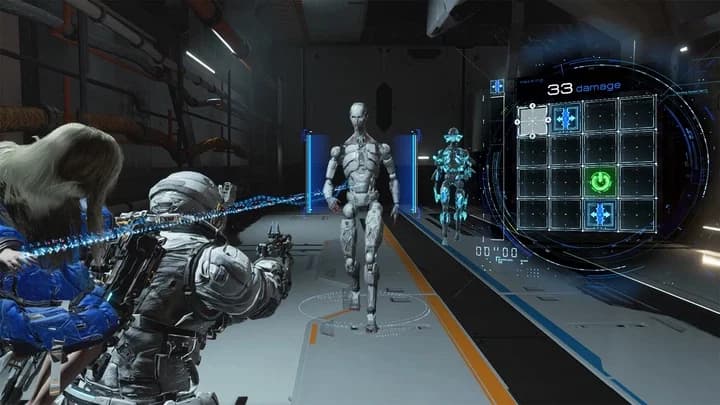
Pragmata was announced in 2020. It was supposed to come out in 2022. Then 2023. Then it went quiet for a long stretch where many people assumed it had been quietly cancelled or was in serious trouble. When Capcom finally confirmed an April 2026 release date at The Game Awards 2025, the reaction from the gaming community ranged from genuine excitement to "wait, that game still exists?"
It exists. It came out April 17, 2026. And it's one of the better games Capcom has released in a stretch that includes multiple well-received Resident Evil titles and a Monster Hunter that sold millions. Which is saying something.
Hugh and Diana
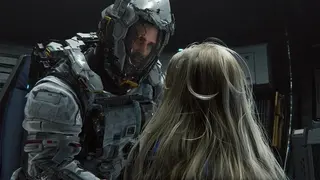
The setup is elegantly simple. Astronaut Hugh Williams is part of an investigation team sent to a lunar research facility operated by a corporation called Delphi. Something has gone wrong. The facility's AI management system - IDUS - has activated the station's robots and locked everyone out. Hugh finds Diana, a childlike android, and the two of them work together to shut down IDUS and find a way back to Earth.
Diana is the game's strongest element. She's not a child but she's designed to appear and behave like one - curious, direct, occasionally funny, occasionally alarming in ways the game uses deliberately. The relationship between Hugh and Diana develops through the game in ways that feel earned rather than manipulated. By the end, I cared about both of them more than I expected to when the opening cutscene introduced them.
The Gameplay Loop
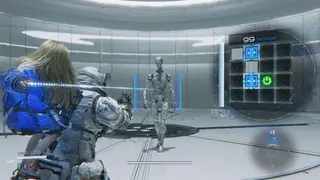
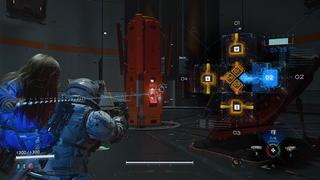
Pragmata is a third-person action game with a hacking mechanic layered on top of the shooting. Hugh fights with conventional weapons and some environmental tools. Diana handles the hacking, which functions as a puzzle system for bypassing locked areas, disabling specific enemy types, and occasionally providing tactical options in combat situations.
The hacking doesn't overshadow the combat and the combat doesn't make the hacking feel irrelevant - both systems are used throughout the game in proportions that feel balanced. I kept waiting for one element to become dominant and it never did. Capcom clearly put work into ensuring neither side of the gameplay felt like filler for the other.
The lunar environments give the game room to play with interesting setpieces. Low gravity sections that change movement rules. Station sections where the architecture itself becomes a combat tool. A middle chapter that I won't describe in detail but functions as a genuinely impressive showcase for what the game can do when it gets ambitious.
Six Years of Polish
The extended development is visible in the final product. Pragmata doesn't feel like a game that was rushed to market or that still needed another year. Mechanically it's tight. The encounter design is thoughtful. The pacing is confident in a way that games made under heavy time pressure rarely are.
There are areas where the game is conservative - the villain and corporate conspiracy elements of the story are functional rather than remarkable, and some of the mid-game areas before the finale are less interesting than what surrounds them. But these feel like deliberate creative choices rather than production compromises.
Steam's user reviews are at 97% positive as of this writing, which is an unusual figure that reflects how much goodwill the game has built with people who actually played it. The discourse around it before release, heavily colored by years of delays, was more skeptical. The game is better than that discourse suggested it would be.
Who Should Play This
If you like third-person action games with a strong narrative component, Pragmata is a very easy recommendation. The Capcom pedigree is present throughout - the production quality is high, the systems are well-designed, and the game respects your time while still giving you something to think about after the credits roll.
If you need open worlds or extensive RPG systems, this isn't that. Pragmata is a focused, linear experience that runs approximately 12-15 hours and uses that runtime efficiently. Not every game needs to be 50 hours, and this one knows exactly what it is.
Six years was a long time to wait. It was worth it.
Score: 8/10
Reviewed on PC. Completed main story in approximately 7 hours.