Resonance: A Plague Tale Legacy
Aug 27, 2026·Asobo Studio
About this game
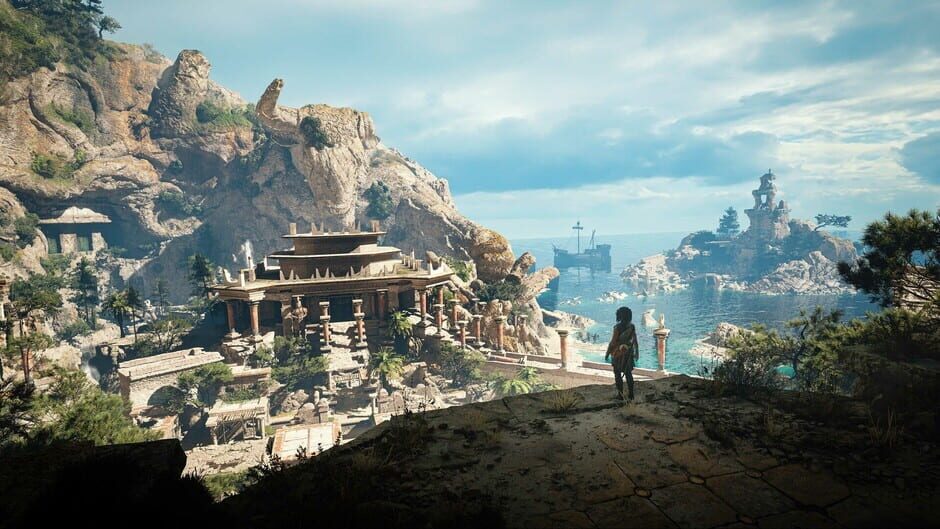
There's a specific kind of trust that builds up between a player and a franchise over two games. A Plague Tale earned that trust hard - first through Innocence in 2019, then through Requiem in 2022, both of which were genuinely emotionally devastating in the best way possible. So when Asobo Studio announced they were stepping away from Amicia and Hugo entirely, and handing the spotlight to Sophia for a prequel, my first reaction was somewhere between curious and cautious. Having followed the series closely since the beginning, Sophia was always one of my favourite characters, so the idea of her getting her own story felt genuinely exciting rather than like a cash-grab spinoff. Resonance: A Plague Tale Legacy is developed by Asobo Studio and published by Focus Entertainment, set for release on August 27, 2026, on PS5, Xbox Series X/S, and PC, with day one availability on Xbox Game Pass. The story is set in 1333 - fifteen years before the events of Requiem - following a younger Sophia as a fierce plunderer on the run, sailing toward the Greek island of Crete in search of answers about her own past. Since childhood she's been haunted by visions of an ancient era connected to the Minotaur myth, and the whole game revolves around her diving into that mystery alongside her closest companion, Leni. What immediately jumps out is how different this feels from the previous entries. The original games built their identity on desperate stealth and survival - you were always the underdog, rationing resources, hiding in shadows, terrified of what was around the corner. Resonance flips that entirely. Sophia has been trained in the fighting pits, and it shows. She wields a sword, dagger, and grappling hook, with a combat system built around speed, parries, executions, and mobility. Enemies signal attacks with colour-coded visual cues - yellow for parryable strikes, red for ones you need to dodge. It's a much more confident, aggressive style of play, and honestly it suits Sophia's character perfectly. The setting shift is equally bold. Trading plague-ridden medieval France for sun-drenched Crete sounds almost jarring on paper, but the way Asobo has leaned into Greek mythology makes it work. The island itself is a massive labyrinth designed by Daedalus, and a stolen Minoan sphere capable of manipulating light serves as a central puzzle mechanic. There's also a dual-timeline system that jumps between Sophia's present journey and ancient Minoan times, giving the story a real sense of layered depth. A persistent "restless presence" stalks the island throughout, keeping that classic Plague Tale tension alive even amid the more action-heavy design. One thing I particularly love is the journal system - Sophia sketches clues and visual hints as she explores, very much in the spirit of Nathan Drake from Uncharted. A couple of previews have confirmed that was a direct influence on the lead writer, which makes a lot of sense given the tone.