Stranger Than Heaven
Jan 15, 2027·Ryu Ga Gotoku Studio
About this game
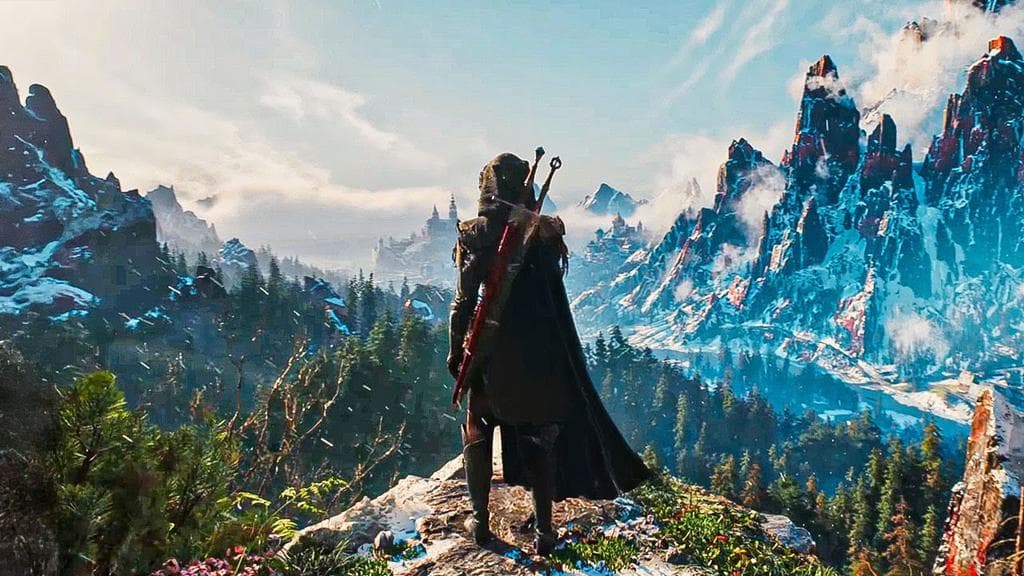
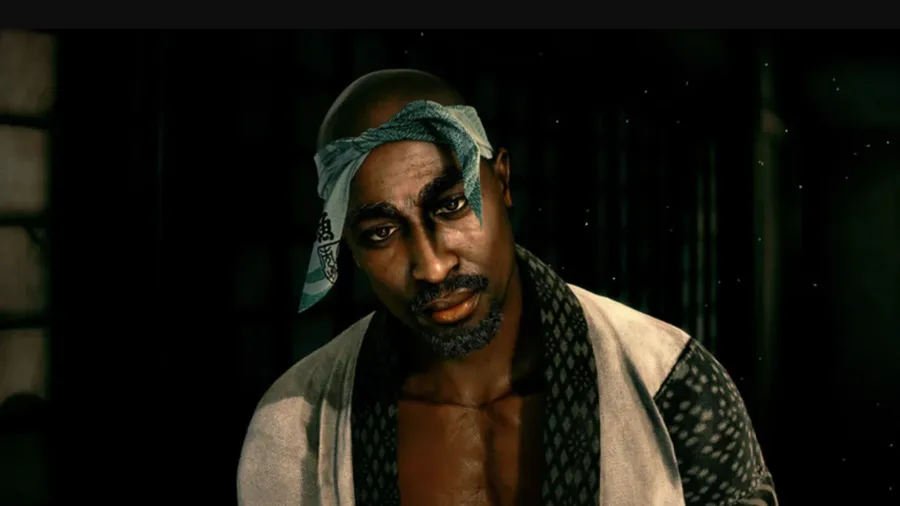
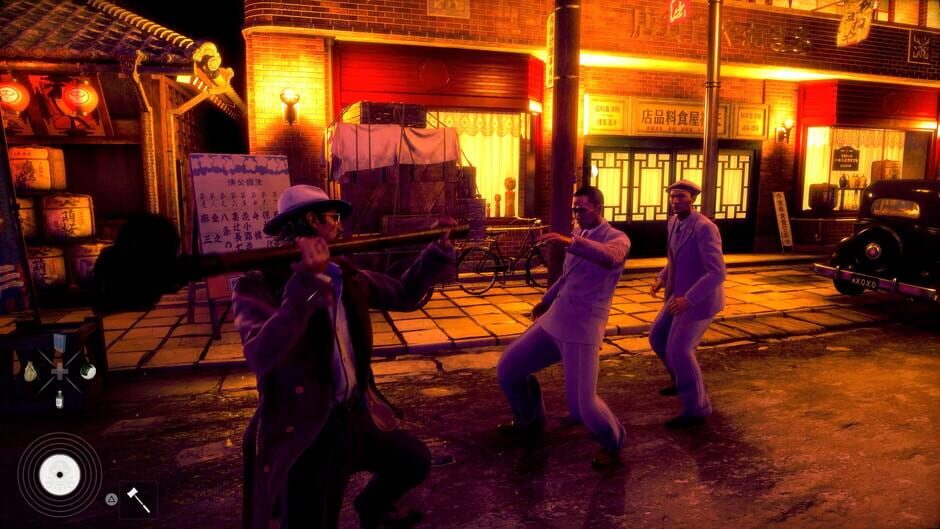
Every few years RGG Studio does something that makes you reassess what you think they're capable of. Yakuza 0 recontextualised the entire franchise as a prequel tragedy. Judgment proved they could tell a tighter, more focused crime drama. Like a Dragon pivoted the combat to turn-based and somehow made it feel completely natural. Stranger Than Heaven is their next swing, and based on everything revealed since its May 2026 showcase and the Summer Game Fest release date announcement, it might be their most ambitious project yet. The game launches January 15, 2027 on PS5, Xbox Series X/S, Xbox on PC, Steam, and Xbox Cloud Gaming - with day one Game Pass inclusion. RGG Studio Head Masayoshi Yokoyama took the stage at Summer Game Fest to confirm the date, then was joined by Snoop Dogg and his son Cordell Broadus, both of whom have roles in the game. That sentence alone tells you this is going to be a very specific kind of experience. Formerly known as Project Century, Stranger Than Heaven is an original story set across fifty years of Japanese history, beginning in 1915 and ending in 1965 across five distinct cities: Kokura in Fukuoka, Kure in Hiroshima, Minami in Osaka, Atami in Shizuoka, and finally Kamurocho in Tokyo - yes, the fictional district that serves as the beating heart of the entire Yakuza franchise. Its inclusion, alongside confirmation that the game explores the founding of the Tojo Clan, makes this a vague prequel to the Yakuza series while remaining its own standalone story. The protagonist is Makoto Daito, a young man of mixed American and Japanese heritage whose parents died young. Growing up facing prejudice in the United States, he stows away on a ship bound for Japan in 1915 hoping to find the belonging he never found in America. On that ship he meets Yu Shinjo - described as both his oldest friend and biggest rival - and the ship's captain: Orpheus, a cutthroat international smuggler played by Snoop Dogg. The story follows Makoto's rise across half a century - through violence, music, the underworld, and everything in between. The music angle is genuinely one of the most unusual and compelling design elements I've seen from RGG. Makoto is a gifted musician, and the game lets you build a career as a showman and performer alongside the main narrative. You gather sounds from the environment - passing trains, a neighbour snoring, enemies grunting mid-fight, ambient city noise - and combine them into original tracks. Then you manage the setlist, arrange the band, assign the cast, and design the staging and lighting for each performance. Running a successful club is how Makoto builds his reputation and raises his profile in each city. It's the kind of eccentric side-system that only RGG would put in a game about 1920s Japan, and it sounds completely brilliant. Combat has been rebuilt from the ground up specifically for this title - described as controlling both sides of Makoto's body independently, with an "ever-changing" system that presumably evolves as he ages across the five eras. The trailer showed brutal, grounded street fighting that sits tonally closer to the original Yakuza's raw violence than Like a Dragon's more theatrical combat. The cast surrounding the game is extraordinary in scope. Tupac Shakur's likeness appears as a character named Amaru - a tribute confirmed at Summer Game Fest. Legendary Japanese actor Bunta Sugawara, who died in 2014, appears via CG reconstruction created from archival footage and photographs with the blessing of his family and Toei Company. Snoop Dogg contributes to the official theme song. Singers Ado and Tori Kelly also portray characters. Yu Shirota and Dean Fujioka anchor the Japanese cast. I've played most of the Yakuza and Like a Dragon games and genuinely love the franchise's willingness to go emotionally heavy while also putting you in a disco dance competition ten minutes later. Stranger Than Heaven sounds like it's leaning much harder into the dramatic register - more tragedy, more weight, less comedic relief. The 50-year scope alone is staggering. Whether RGG can maintain the emotional coherence of a story that spans that much time and history across five completely different settings is the interesting question. I think they can. January 15th will tell us if I'm right.